In the world of storytelling, be it in novels, screenplays, or short stories, pace and tension are the twin engines that propel a narrative forward. A well-paced story keeps readers engaged, while expertly crafted tension keeps them on the edge of their seats. As an editor, mastering the art of manipulating these elements can transform a good story into a riveting page-turner. Here’s why focusing on pace and tension is crucial and how you can enhance these elements in your editing process.
The Power of Pace
Pace is the rhythm and speed at which a story unfolds. It dictates how quickly or slowly the plot progresses and how much time is spent on various events or scenes. A story with poor pacing can lose readers’ interest, no matter how compelling the plot or characters might be. Here are a few tips to ensure your story maintains a perfect pace:
- Vary Sentence Lengths: Short sentences and paragraphs can quicken the pace, making the action feel more immediate and urgent. Conversely, longer sentences and detailed descriptions can slow the pace, giving readers a moment to breathe and absorb the story’s intricacies.
- Control Scene Lengths: Action-packed scenes or pivotal moments should be concise and punchy, keeping the reader hooked. Meanwhile, slower scenes that build character or set the scene can afford more descriptive language and leisurely pacing.
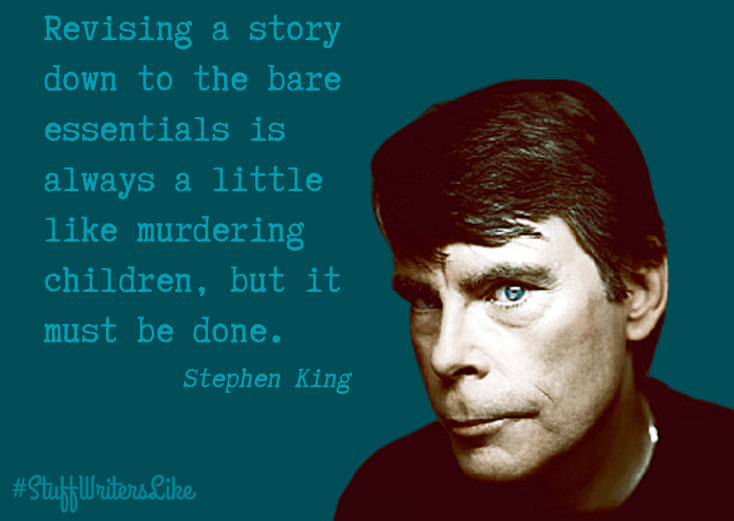
- Cut the Fat: Eliminate unnecessary details, redundancies, and overly complex descriptions. Every word should serve a purpose, either advancing the plot, developing a character, or setting the scene. Excessive details can bog down the narrative and frustrate readers.
Crafting Tension
Tension is the emotional strain that keeps readers invested in the story. It’s the sense of anticipation or fear that drives them to keep turning pages, eager to find out what happens next. Effective tension requires careful balancing; too much can overwhelm, while too little can bore. Here’s how to strike the right balance:
- Build Suspense: Gradually reveal information to the reader. Keep them guessing and speculating about the characters’ motivations, upcoming plot twists, and potential outcomes. The slower the reveal, the greater the tension.
- Raise the Stakes: Constantly increase the stakes for your characters. Whether it’s personal, emotional, or physical peril, higher stakes create a sense of urgency and importance, compelling readers to stay invested in the outcome.
- Use Cliffhangers: Ending chapters or scenes with unresolved questions or precarious situations can effectively compel readers to continue. Cliffhangers leave readers in suspense, eager to see how the characters navigate their dilemmas.
- Character Vulnerability: Make readers care deeply about the characters by showing their vulnerabilities, fears, and desires. When readers are emotionally invested in the characters, the tension feels more intense and personal.

The Editor’s Role
As an editor, your role is to fine-tune these elements to ensure the story flows seamlessly and keeps readers engaged. Here are some practical steps:
- Read Aloud: Reading the manuscript aloud can highlight awkward phrasing, repetitive descriptions, and pacing issues that might not be as evident when reading silently.
- Feedback Loop: Gather feedback from beta readers or fellow editors. Fresh perspectives can identify pacing problems or areas where the tension falls flat.
- Trust Your Instincts: Your intuition as an editor is invaluable. If a scene feels slow or a character’s actions seem implausible, it probably needs tweaking.
 Aral Bereux