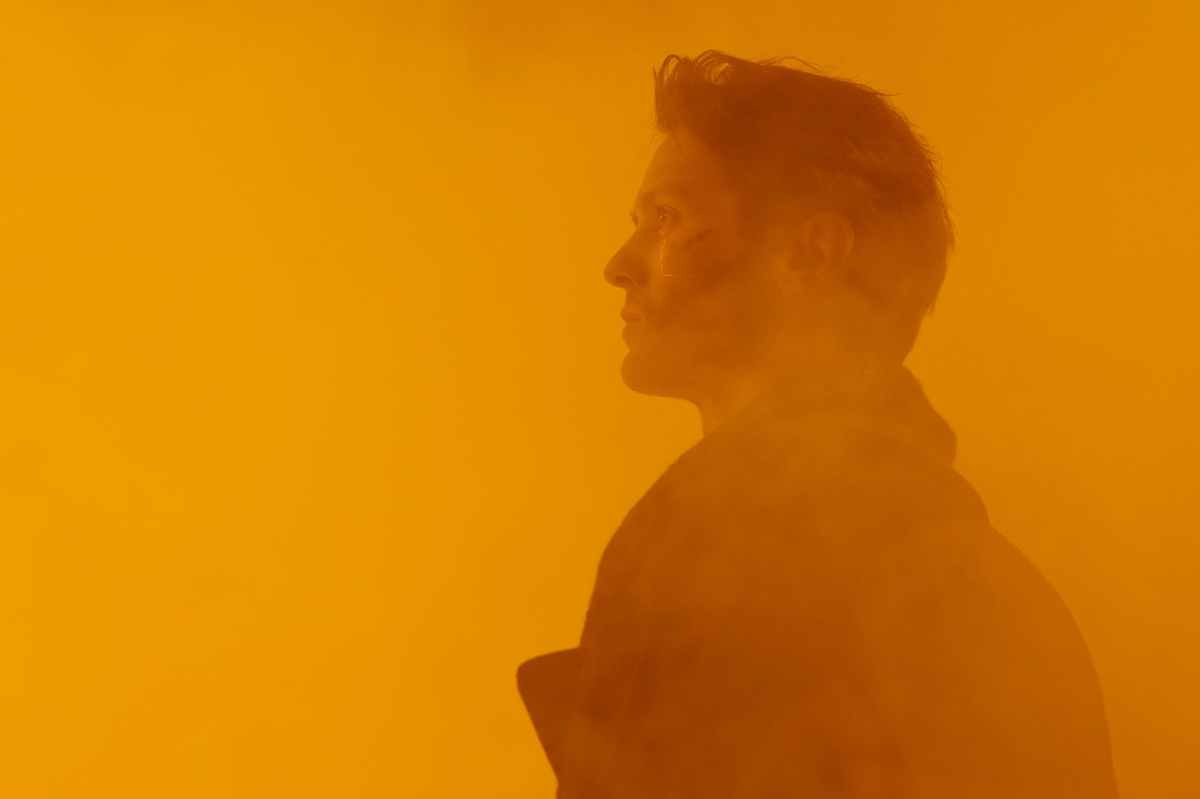
The dystopia genre often overlaps with science fiction, as many dystopian stories incorporate speculative or futuristic elements. Here are a few ways in which dystopia and science fiction intersect:
Dystopian stories are typically set in a future society or world that has undergone significant societal, political, or environmental changes, such as the Watcher series, whereas science fiction often explores future or alternative worlds, making it a natural fit for dystopian narratives.
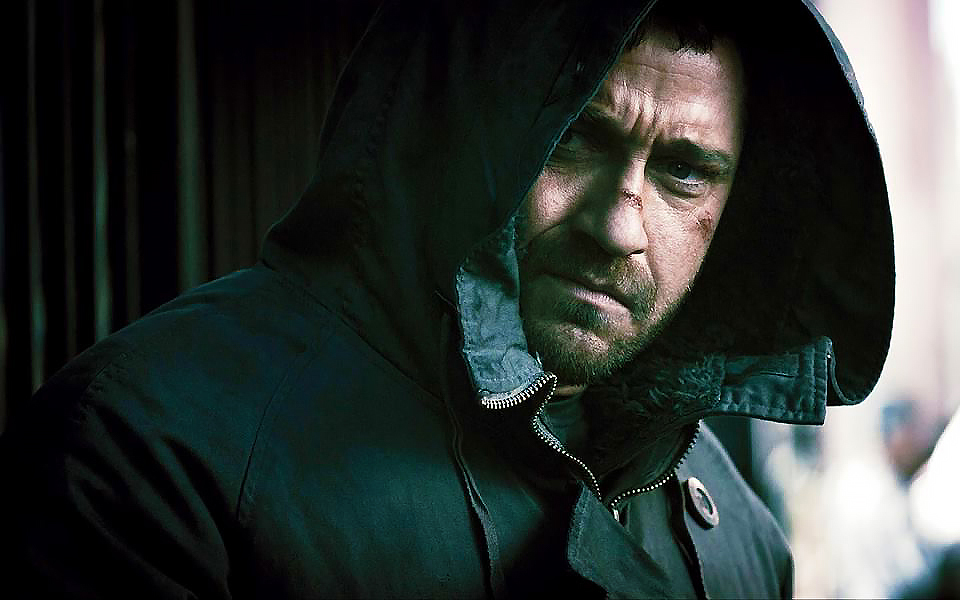
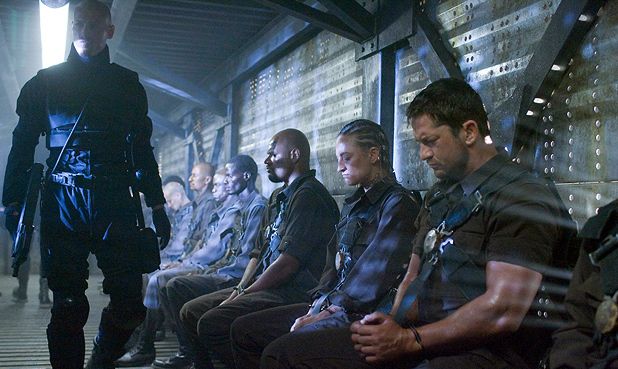
When considering technological advancements, science fiction frequently explores advanced technologies and their impact on society. In dystopian settings, however, these technologies may be used by the ruling elite to maintain control over the population or to oppress individuals. Examples include surveillance systems, advanced weaponry, genetic manipulation, or mind-control devices. One example that springs to mind is Minority Report. Another is Gamer.
There are also speculative elements to both genres, whereas science fiction often involves elements such as time travel, space exploration, alternate realities, or advanced scientific concepts, such as Wells’ The Time Machine. Where dystopian stories differ, they may incorporate these speculative elements to depict a future world shaped by particular technologies, scientific breakthroughs, or social systems, such as The City and the Stars.

Social and political themes are also a feature of both dystopian and science fiction genres and offer opportunities for their critique. Dystopian narratives often highlight the flaws or dangers of specific ideologies, governments, or social systems and the constructs surrounding them. On the other hand, science fiction can serve as a vehicle for exploring these social issues, questioning the status quo, or warning against potential negative consequences of scientific advancements. Margaret Atwood, anyone? Take your pick from her extensive catalogue of publications.
Coupling both genres together, you’ll note that dystopian science fiction often delves into the human condition, exploring themes of identity, individuality, oppression, resistance, and the struggle for freedom, thus exploring humanity and all its shortcomings. These stories may examine how society’s structures and technologies impact individuals and their relationships or how individuals navigate the challenges of a harsh and dehumanizing world and are often the most captivating stories. Think Blade Runner.
It’s important to note that while many dystopian stories are classified as science fiction, not all science fiction stories are dystopian. Science fiction encompasses a broad range of themes and settings beyond dystopia, including utopias, space exploration, alien encounters, and more. However, the dystopian subgenre within science fiction remains popular due to its ability to reflect contemporary issues, offer cautionary tales, and provoke thought about the future of humanity.
 Aral Bereux