In the world of storytelling, be it in novels, screenplays, or short stories, pace and tension are the twin engines that propel a narrative forward. A well-paced story keeps readers engaged, while expertly crafted tension keeps them on the edge of their seats. As an editor, mastering the art of manipulating these elements can transform a good story into a riveting page-turner. Here’s why focusing on pace and tension is crucial and how you can enhance these elements in your editing process.
The Power of Pace
Pace is the rhythm and speed at which a story unfolds. It dictates how quickly or slowly the plot progresses and how much time is spent on various events or scenes. A story with poor pacing can lose readers’ interest, no matter how compelling the plot or characters might be. Here are a few tips to ensure your story maintains a perfect pace:
Vary Sentence Lengths: Short sentences and paragraphs can quicken the pace, making the action feel more immediate and urgent. Conversely, longer sentences and detailed descriptions can slow the pace, giving readers a moment to breathe and absorb the story’s intricacies.
Control Scene Lengths: Action-packed scenes or pivotal moments should be concise and punchy, keeping the reader hooked. Meanwhile, slower scenes that build character or set the scene can afford more descriptive language and leisurely pacing.
Cut the Fat: Eliminate unnecessary details, redundancies, and overly complex descriptions. Every word should serve a purpose, either advancing the plot, developing a character, or setting the scene. Excessive details can bog down the narrative and frustrate readers.
Crafting Tension
Tension is the emotional strain that keeps readers invested in the story. It’s the sense of anticipation or fear that drives them to keep turning pages, eager to find out what happens next. Effective tension requires careful balancing; too much can overwhelm, while too little can bore. Here’s how to strike the right balance:
Build Suspense: Gradually reveal information to the reader. Keep them guessing and speculating about the characters’ motivations, upcoming plot twists, and potential outcomes. The slower the reveal, the greater the tension.
Raise the Stakes: Constantly increase the stakes for your characters. Whether it’s personal, emotional, or physical peril, higher stakes create a sense of urgency and importance, compelling readers to stay invested in the outcome.
Use Cliffhangers: Ending chapters or scenes with unresolved questions or precarious situations can effectively compel readers to continue. Cliffhangers leave readers in suspense, eager to see how the characters navigate their dilemmas.
Character Vulnerability: Make readers care deeply about the characters by showing their vulnerabilities, fears, and desires. When readers are emotionally invested in the characters, the tension feels more intense and personal.
The Editor’s Role
As an editor, your role is to fine-tune these elements to ensure the story flows seamlessly and keeps readers engaged. Here are some practical steps:
Read Aloud: Reading the manuscript aloud can highlight awkward phrasing, repetitive descriptions, and pacing issues that might not be as evident when reading silently.
Feedback Loop: Gather feedback from beta readers or fellow editors. Fresh perspectives can identify pacing problems or areas where the tension falls flat.
Trust Your Instincts: Your intuition as an editor is invaluable. If a scene feels slow or a character’s actions seem implausible, it probably needs tweaking.
The dystopia genre often overlaps with science fiction, as many dystopian stories incorporate speculative or futuristic elements. Here are a few ways in which dystopia and science fiction intersect:
Dystopian stories are typically set in a future society or world that has undergone significant societal, political, or environmental changes, such as the Watcherseries, whereas science fiction often explores future or alternative worlds, making it a natural fit for dystopian narratives.
When considering technological advancements, science fiction frequently explores advanced technologies and their impact on society. In dystopian settings, however, these technologies may be used by the ruling elite to maintain control over the population or to oppress individuals. Examples include surveillance systems, advanced weaponry, genetic manipulation, or mind-control devices. One example that springs to mind is Minority Report. Another is Gamer.
There are also speculative elements to both genres, whereas science fiction often involves elements such as time travel, space exploration, alternate realities, or advanced scientific concepts, such as Wells’ The Time Machine. Where dystopian stories differ, they may incorporate these speculative elements to depict a future world shaped by particular technologies, scientific breakthroughs, or social systems, such as The City and the Stars.
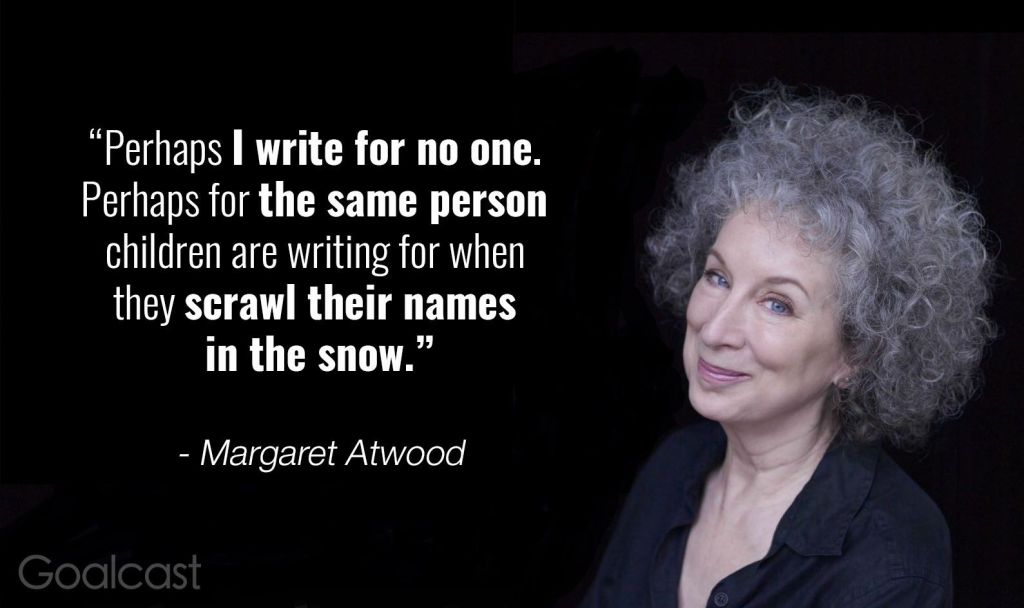
Social and political themes are also a feature of both dystopian and science fiction genres and offer opportunities for their critique. Dystopian narratives often highlight the flaws or dangers of specific ideologies, governments, or social systems and the constructs surrounding them. On the other hand, science fiction can serve as a vehicle for exploring these social issues, questioning the status quo, or warning against potential negative consequences of scientific advancements. Margaret Atwood, anyone? Take your pick from her extensive catalogue of publications.
Coupling both genres together, you’ll note that dystopian science fiction often delves into the human condition, exploring themes of identity, individuality, oppression, resistance, and the struggle for freedom, thus exploring humanity and all its shortcomings. These stories may examine how society’s structures and technologies impact individuals and their relationships or how individuals navigate the challenges of a harsh and dehumanizing world and are often the most captivating stories. Think Blade Runner.
It’s important to note that while many dystopian stories are classified as science fiction, not all science fiction stories are dystopian. Science fiction encompasses a broad range of themes and settings beyond dystopia, including utopias, space exploration, alien encounters, and more. However, the dystopian subgenre within science fiction remains popular due to its ability to reflect contemporary issues, offer cautionary tales, and provoke thought about the future of humanity.
Writing a good script requires careful planning, effective storytelling and attention to detail. Here are some tips to help you in the process:
Know your story
Before you start to write, have a clear understanding of your story’s premise, characters and main conflicts. Develop a strong outline or treatment to guide your scriptwriting process. Understand the core themes and the desired emotional impact you want to achieve.
Create compelling characters
Develop well-rounded and relatable characters that audiences can connect with. Give them distinct personalities, goals and flaws and ensure their actions and dialogue are consistent with their motivations and background. Memorable characters help to drive the story forward and keep audiences engaged.
Focus on structure
The structure of a story is crucial in scriptwriting. Familiarize yourself with popular storytelling structures such as the three-act structure or the hero’s journey. Establish a clear beginning, middle and end, and ensure your script has a well-defined setup, conflict and resolution. Use plot points, turning points and well-timed reveals to maintain the audience’s interest.
Write visually
Scripts are blueprints for visual storytelling. Use descriptive and concise language to paint vivid images in the reader’s mind. Use the show rather than tell cliché whenever possible. Use action and visuals to convey information and emotions instead of relying solely on dialogue. Visual storytelling makes scripts more engaging and appealing to readers and potential viewers.
Master dialogue
Dialogue should be natural, engaging and purposeful. Each character should have a distinct voice, reflecting their personality and background. Keep dialogue concise and avoid excessive exposition. Use subtext and conflict within conversations to create tension and depth. Read the dialogue aloud to ensure that it sounds authentic and flows well.
Maintain pacing
Keep your script’s pacing in mind. Balance slower, character-driven moments with faster-paced, high-stakes scenes. Avoid unnecessary scenes or dialogue that do not advance the story or reveal character information. Create tension and suspense by strategically placing conflicts and obstacles throughout the script.
Edit and revise
Writing is a process of rewriting. Once you have a draft, revise and edit your script multiple times. Polish the dialogue, tighten scenes and eliminate unnecessary elements. Also, seek feedback from trusted readers or fellow writers and be open to constructive criticism—don’t take their criticisms personally. Revise based on the feedback to improve your script’s quality.
Formatting and presentation
Learn and adhere to industry-standard script formatting guidelines. Properly formatting your script makes it easier for producers, agents or readers to navigate and understand. Presentation matters, so ensure your script is free of grammatical errors, spelling mistakes and inconsistencies.
Study successful scripts
Read scripts from successful movies and television shows in your desired genre. Analyze how those scripts effectively engage the audience, build tension or develop characters. Understanding what works in scripts already established can help you enhance your own writing skills.
Find your voice
While learning from established scripts is valuable, don’t be afraid to develop your unique voice and style. Infuse your script with your own creativity, perspective and experiences. Embrace your strengths as a writer and find ways to make your script stand out. Find and employ your individuality; otherwise, it’s just another script.
And remember, writing is a craft that requires years of practice and persistence. Keep honing your skills, seek all the feedback you can find and continue learning from the work of others.
There are several common mistakes to avoid in your writing to ensure clarity, coherence, and overall quality. Check these out for some of them:
Spelling and grammar errors: Proofread your work carefully to eliminate spelling mistakes, typos, and grammatical errors. Incorrect punctuation, subject-verb agreement, and tense usage can weaken your writing.
Lack of clarity: Ensure your writing is clear and easy to understand. Avoid using ambiguous or vague language that can confuse your readers. Lose the verbosity and ambiguity. Be specific and precise in conveying your ideas.
Weak or repetitive words: Avoid using weak or overused words that can make your writing sound bland. Look for opportunities to use stronger verbs and descriptive language to engage your readers.
Lack of structure and organization: A well-structured piece of writing is easier to follow and understand. Ensure your writing has a clear introduction, body, and conclusion. Use paragraphs and headings to organize your thoughts effectively during drafting.
Lack of focus: Stay focused on your main topic or argument. Avoid going off on tangents or including irrelevant information that distracts readers from your main point.
Inconsistent tone or style: Maintain consistency in the tone and style of your writing. Ensure that your writing matches the intended audience and purpose. Switching between formal and informal language or varying the tone too much can disrupt the flow of your writing.
Lack of proofreading: Neglecting to proofread your work can result in overlooked errors and inconsistencies. Always take the time to review your writing before finalizing it.
Poor sentence structure: Pay attention to sentence structure to ensure readability. Avoid run-on sentences or overly complex sentence structures that can confuse readers. Vary the length and structure of your sentences to create a more engaging flow.
Ignoring feedback: Feedback from peers, editors, or readers is valuable for improving your writing. Be open to constructive criticism and use it to enhance your work.
Lack of revision: Writing is a process that requires revision. Avoid the mistake of thinking your first draft is perfect. Take the time to revise and edit your work to refine your ideas and enhance the overall quality of your writing.
By being mindful of these common mistakes, you can strengthen your writing and create a more compelling and polished piece of work. Good luck!
If you have a script that you would like a production company to consider, it’s important to note that production companies typically have established processes and guidelines for script submissions. Here are a few general steps you can take to increase your chances of getting your script noticed:
Research: Familiarize yourself with the production company’s previous projects and the types of films they tend to produce. Ensure that your script aligns with their areas of interest and expertise.
Polish your script: Before submitting your script, make sure it is properly formatted, well-written, and free of any errors. Consider seeking feedback from trusted peers or professional script readers to improve its quality.
Query Letter: Craft a compelling query letter that introduces yourself, summarizes your script’s premise, and explains why you believe the production company would be interested in your project. Keep the letter concise and professional.
Contact Information: Ensure your contact information is clearly provided in your query letter and any other materials you submit.
Industry Connections: Networking and establishing connections within the film industry can help get your script noticed. Attend film festivals, screenplay competitions, or industry events where you may have the opportunity to meet industry professionals, including producers, agents, or executives who may have connections to a production company.
Script Contests and Fellowships: Consider submitting your script to reputable screenplay contests or fellowships. Some competitions and programs offer opportunities for script exposure and industry recognition.
Online Platforms: Utilize online platforms specifically designed for script submissions, such as the Black List or InkTip. These platforms provide opportunities for writers to showcase their work to industry professionals.
Remember, getting a production company to review your script can be highly competitive, with no guarantees. It is essential to have patience, persistence, and a belief in your work. It’s also worth noting that production companies’ submission guidelines and preferences can change over time, so it’s important to research and stay up to date with their specific requirements.
Two homeless men and a woman sit on a church’s steps, people-watching on the busy main street of a city. A passerby stops to take a photo of them before walking away.
MAN 1: The houses aren’t what they used to be.
MAN 2: The people aren’t what they used to be.
WOMAN: (nods)Losing value, the houses.
MAN 1: Must be the environment. The urban development. Changing values. Banks. Interest. Corporations. Greed. The Crisis.
MAN 2: The GFC?
MAN 1: (annoyed) Yes. Thee Crisis. The houses aren’t what they were.
WOMAN: Look. (points to the distance) More are coming.
MAN 2: Hurry. Get ready.
MAN 1 sighsand adjusts his blankets and hat full of coins as though they are props of a production.
A group of tourists with cameras approach them and stop. They take photos of the homeless group. The homeless group poses for the photos this time, smiling broadly, changing positions for each photo until the tourists are satisfied and leave.
MAN 1: Give them what they want.
WOMAN: Nothing’s ever good enough.
MAN 2: (holds up a gold coin that had landed on his jacket) I’m happy.
MAN 1: You didn’t do anything.
MAN 2: I didn’t have to. You did it all for me.
WOMAN: Workers and hierarchy. Nothing changes. We need more people to compete.
MAN 1: Shouldn’t be too hard to find. Plenty of us. Will be plenty more.
WOMAN: (points finger again) They have more people and look at the crowds around them.
MAN 2: Yes. More of us are needed.
MAN 1: We’re everywhere. Like a collective. More of us soon. Like a feature. A blimp on the radar, but here. MAN 1 turns to MAN 2. Where were you once?
MAN 2: I don’t understand your question.
MAN 2 adjusts his blankets again and pockets his gold coin.
WOMAN: I do. (nods to MAN 2) He was nowhere. Always nowhere. Born like this. Born into this. No chance. No help. No hope – except this.
MAN 1: Not me.
WOMAN: Not me, either. (pauses, looks up)Quickly. More are coming. Maybe we can get lunch after this.
MAN 1: (counts the coins in his hat)Maybe I can buy lunch today.
WOMAN: I was an actor.
MAN 2: Oh. I was born like this.
MAN 1: I was an architect for a large corporation. But they’re all just titles now. (points to the audience) Just like them.
THE END.
EXEGESIS
Poverty Porn questions society’s rationalising of homelessness as an acceptable part of the capitalist social order. The audience is lulled into voyeurism through the photographers’ curiosity. However, towards the end, Man 1 clarifies how no one is above becoming homeless. Action needs to be developed further, particularly towards the end, with consideration given to MAN 1 pointing to the photographers rather than the audience to provoke the audience’s reflection of their own worth in society.
Caryl Churchill’s Far Away and This is a Chair inspired how to tackle the dialogue, while Will Eno’s Oh, The Humanity reminded me of how space can be used to provoke image and emotion.
Dystopian fiction offers a speculative glimpse of the future, one often of a cataclysmic decline with characters battling their way through environmental ruin, technological control, and government oppression. As a sub-genre of science fiction, the popular dystopian novel can challenge readers’ views of current social and political climates, offer warnings, and in some instances, inspire action. But how is dystopian fiction determined? First, let’s define the difference between a utopian and a dystopian world.
What’s the Difference Between Utopia and Dystopia?
When Sir Thomas More coined the term “utopia” in his 1516 book Utopia, he was inadvertently shaping centuries of genre. With the advent of Utopia, which was about an ideal society on a fictional island, the dystopia concept was born.
Unlike utopian literature, dystopian literature explores and warns of the dangerous effects of created political and social structures on humanity (Hugh Howey’s Wool Trilogy), what leads society to its totalitarian outcomes, and the difficulty of correcting the situation. Often there’s no way back, and the character’s needs are stripped down to their basic elements of survival (Aral Bereux’s J Rae Books (Watcher Series)).
Utopian literature, on the other hand, often focuses on the individual and societal cost of maintaining a perfect world. Usually, one individual’s sacrifice is necessary for the utilitarian society to flourish (Ursula Le Guin’s The Ones Who Walk Away from Omelas), or there may be a hidden secret that must never be revealed (Arthur C. Clarke’s The City and the Stars and Childhood’s End).
What Is the Significance of Dystopian Fiction?
Margaret Atwood once said, “If you’re interested in writing speculative fiction, one way to generate a plot is to take an idea from current society and move it a little further down the road. Even if humans are short-term thinkers, fiction can anticipate and extrapolate into multiple versions of the future.”
The significance of dystopian fiction in literature can vary from educating and warning humanity about current social and political structures, to reflecting an author’s beliefs on the pitfalls of society (H.G. Wells’ The Time Machine), to critiquing behaviorism (Anthony Burgess’ A Clockwork Orange) and cautioning on oppressive regimes (Margaret Atwood’s The Handmaid’s Tale and Orwell’s 1984).
5 Characteristics of Dystopian Fiction
Oftentimes, dystopian novels focus on central themes that generally fall under these categories:
1. Government control
Specifically, there is either an authoritarian ruling body or simply no government. The most obvious contemporary portrayal of the government control feature is Suzanne Collins’ Hunger Games trilogy.
Collins’ The Hunger Games takes place in a future nation built on the ruins of North America. The fictional Panem is ruled by President Snow’s totalitarian government, the Capitol. Just as our own society amasses vast amounts of wealth into the top one percent, Collins’ Capitol holds most of Panem’s wealth and uses this to control its citizens.
Each year, two children from Panem’s 12 poverty-stricken districts are mandatorily selected to participate in a televised death match called the Hunger Games.
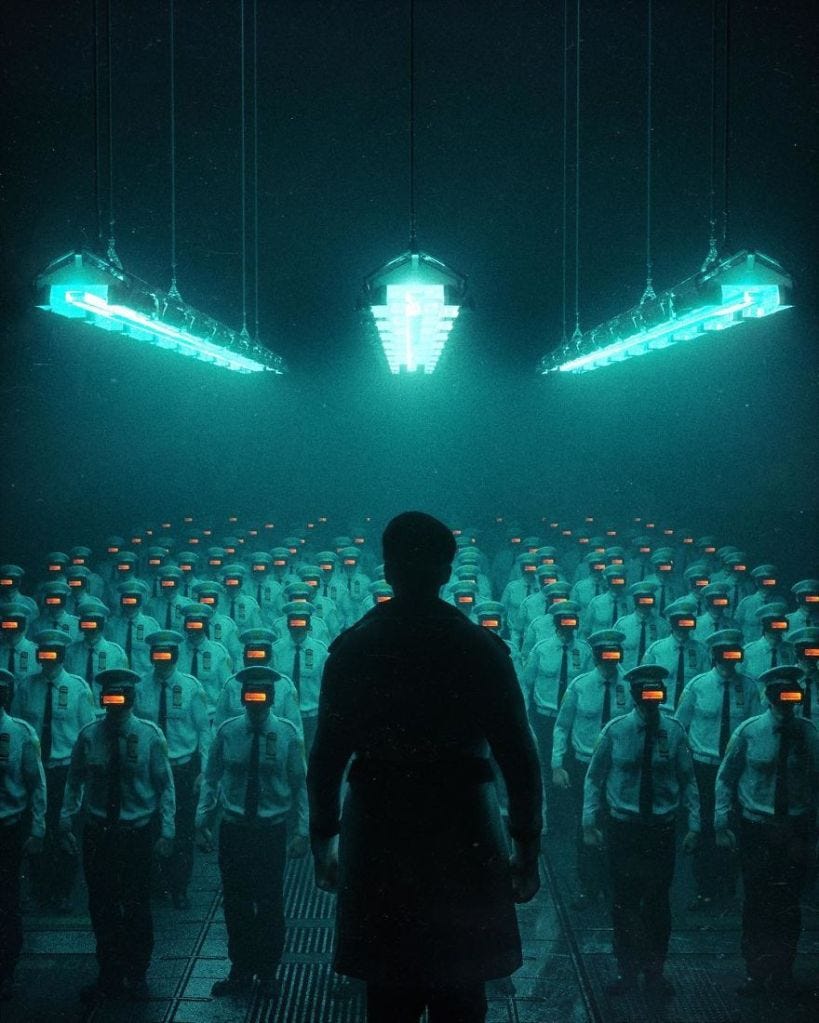
George Orwell’s 1984 also presents the reader with a world under complete government control, known as the omnipresent surveillance of Big Brother, which enforces complete control over the citizens of Oceania, Eurasia, and Eastasia – the three inter-continental superstates remaining after a world war.
2. Loss of individualism
The dangers of conformity are often written into classic dystopias such as 1984. How should the needs of society as a whole compare to individual needs? Authors writing in the dystopian genre will need to keep this question in mind.
Two examples are Fahrenheit 451 by Ray Bradbury, written in 1953, and Yevgeny Zamyatin’s We.
Fahrenheit 451 explores the censorship of books in a future society where increased technology and mindless entertainment dominate. The idea? To save the citizen from the misery of thinking freely, critiquing life, or being creative.
We, written in 1920, follows a spacecraft engineer living in One State. The citizens of One State wear uniforms and are referred to by number and are forever refused privacy or individual belief.
3. Environmental destruction
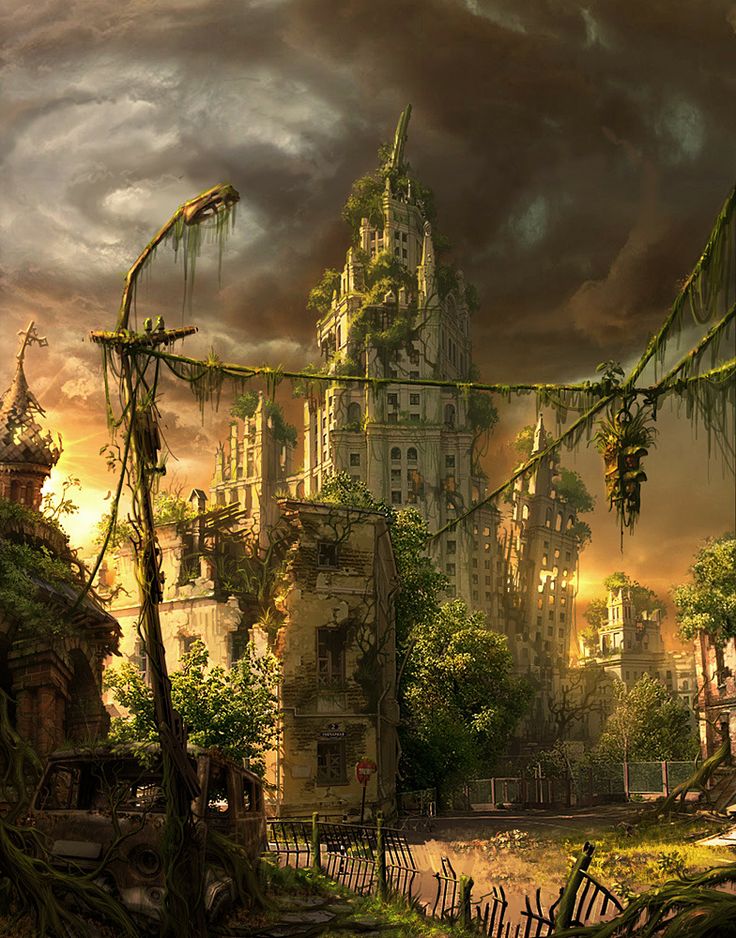
Often set in places that are inhabitable, the dystopian environmental story documents a warning of impending doom and destruction.
The one dystopian novel that comes to mind when discussing this characteristic, is Cormac McCarthy’s The Road. Written in 2006, the post-apocalyptic tale documents a father and son’s journey of survival to a more hospitable environment in which to live after an extinction-level event wipes out their old life.
James Dashner’s The Maze Runner series also chronicles the events of how a world is destroyed by solar flares and coronal mass ejections. In the first book, a group of teenage boys are stuck in The Glade and have to find their way out of an ever-changing maze.
4. Technological control
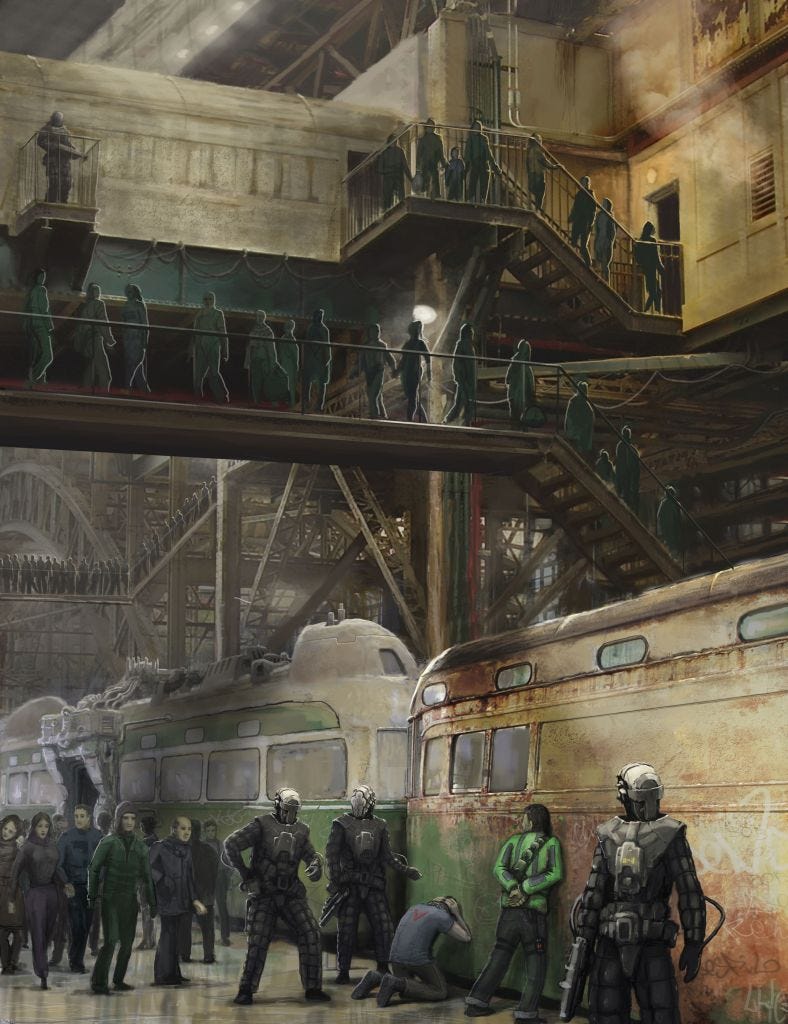
In a dystopian novel, the advancement of science and technology goes far beyond providing tools for improving everyday life. In this particular take on dystopia, technology is depicted as a controlling, ubiquitous, and inescapable force that creates fear-mongering tactics and a subservient culture. Oftentimes, the government can be seen herding the people like sheep.
Two standout authors capture this terrifying characteristic in the form of authoritarian bureaucracy: Huxley and Philip K. Dick.
Philip K. Dick’s 1968 short novel Do Androids Dream of Electric Sheep? takes place in a post-apocalyptic San Francisco where android robots are indistinguishable from humans, and mass extinction has led to artificial animals. Although it is supposed that the main character hunts down rogue AI before they can assimilate into society, the novel leaves the reader wondering if the protagonist is himself a sophisticated android hunting down the lesser AI and if humanity was in fact driven to extinction.
Philip K. Dick also warned of artificial intelligence advancements in Minority Report, where the Department of Precrime looks into the future to arrest potential criminals before they actually commit a crime.
Aldous Huxley’s Brave New World was written in 1932 and explores the dangers of advancing technology too quickly. In the novel, the ruling World State uses powerful artificial reproduction conditioning technologies to control its citizen classes and their actions.
All three books have since been adapted to film and streaming services.
5. Survival
Dystopian and even utopian worlds require some level of survival to be built into the narrative in order to resonate with their audiences. Innate to the dystopian world are its inhabitants fending for themselves after a complete or almost complete destruction and devastation of their world.
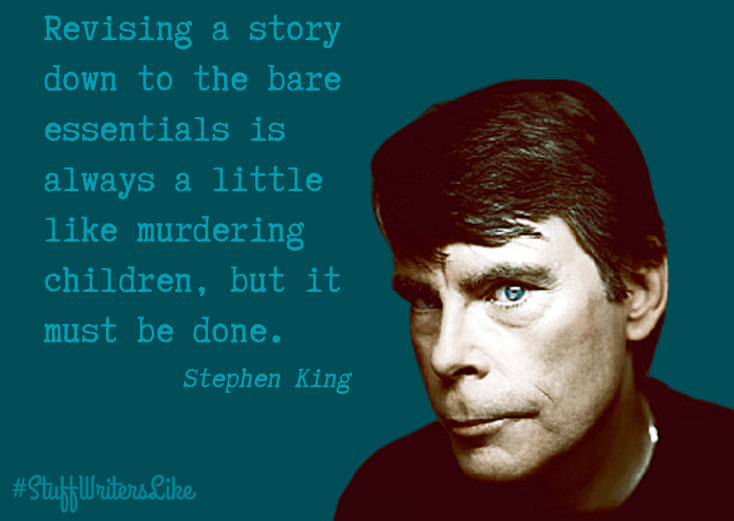
One instance of survival is found in the pages of an early Stephen King novel, The Running Man. Written and first published under the pseudonym Richard Bachman in 1982, the novel takes place in 2025 and follows the story of an impoverished man living under an oppressive government. The protagonist is to compete on a life-threatening game show to earn money to care for his family.
In the renowned Lord of the Flies by William Golding, a group of schoolboys finds themselves abandoned on a tropical island after their plane is shot down. Conflicts naturally emerge between the boys as they struggle to build a civilization and fight for survival. This dystopian novel has been widely distributed among literature programs for decades.
The warnings that dystopian fiction provides are the ultimate What Ifs of literature and narrative. The speculative glimpses of futures down the road, as Atwood explained, are a reflection of centuries of storytelling, often encompassing myth and morals to serve as a warning. As a sub-genre of science fiction, the challenge to a reader’s self-reflection is obvious and should inspire action, or at least, some level of growth as we question our own ability to survive while maintaining our integrity and more importantly, our humanity.
Making a List is essential to your writing. As tedious as it may be for the impatient writer, organising your thoughts can open the floodgates into characterisation, world building, plot, setting, arc building, and goal building.
Without the last two in particular, your story will fall flat and lack ambition.
Move
When I talk with writers and their problems with ‘writers block’, I often encounter two things. The first is the writer sitting hour after hour at their desk. The second is the characters in the WIP are also sitting stagnate.
The writer needs physical exercise. MOVE! Explore your neighbourhood. Find the hidden paths. Find the scars in your city. In turn, these discoveries will feed your writing, and your characters should start talking to you. Make sure you listen.
Find the Need
What needs does your character have? What are their intentions, their ambitions and their hurt?
What needs does your story hold and project to readers? What’s the end goal? Why is the end goal important? What are the ramifications?
Find the Need and you’ll find the story.
Find the hidden paths. Find the scars in your city. In turn, these discoveries will feed your writing, and your characters should start talking to you.
Raise the Stakes
You’ve finally fleshed out and written your first character hurdle and incorporated the struggle into your plot arc, but something is invariably missing . . .
When this happens, be cruel to your fantasy friends. Raise the Stakes. Find that darkness. Place your characters in a position you yourself would dread. Force them to survive.
Study a Photograph
Depending on your genre, the photographs you study will vary. Historical images can present contemporary problems in a new light; landscapes can open the author to new lands and adventures.
Let your mind run free. Follow your instincts and look for the fine details. You never know, someone or something might be looking right back.
Find the Music
Many successful authors have a theme to their book – and we’re not talking about plot and character.
Music has been around for as long as storytelling, and it makes sense to find your story’s beat. Create a list of songs fitting for your WIP and let the lyrics and mood help set the tone as you write.
Place your characters in a position you yourself would dread. Force them to survive.
Set Limits
Establishing a daily word count is essential for your writing career. Hold yourself accountable but be kind to yourself. A daily limit of 5000 words IS NOT a realistic option for most.
Start small. Focus on the end goal. Even 250 words a day will get you a manuscript in 12 months’ time.
Get Specific
A reader expects details. Details of smell, sight, touch, emotion and ambition. Details without being overwhelmed with three pages of description.
Verbosity is just plain showing off and will derail you from this goal. Write in simple, accessible everyday language, edit out unnecessary words, and most importantly, don’t assume your reader ‘gets’ it in the same way you do.
Zooming In and Out
Zooming in and out from the details used when being specific is a great tool in presenting the bigger picture.
Think of your writing as a photographer. Zoom that lens in to capture those creases around the eyes frowning; zoom out when you’re done to show why they’re so upset.
Start small. 250 words a day will get you a manuscript in 12 months time.
Study Opening Lines
By studying the opening lines of writing greats, you’re tackling writer’s block head on. (You may also stumble across another great book to read). Opening lines prompt your brain to think like a published author. Study the structure, the language and use of description. How is the story established quickly? Where’s the hook to hold the reader? How is it inviting you to stay? Study the ‘voice.’
If you’re feeling adventurous, take the opening paragraph and craft your own story in a writing exercise. It might kick start a new manuscript.
Create a Conflict
Creating a conflict goes hand in hand with the book’s story arcs. Without a conflict driving your story, the book will fall flat.
Conflict makes your characters relatable. Your protagonist/antagonist needs a goal to move them forward, and without the conflict to stand in their way, there’s no connection with the reader’s own memories. Conflict dramatizes ambition and the character’s personality and places the characters and plot into a familiar world.
This writing prompt relates to #1 Raise the Stakes. Make your characters suffer, people!
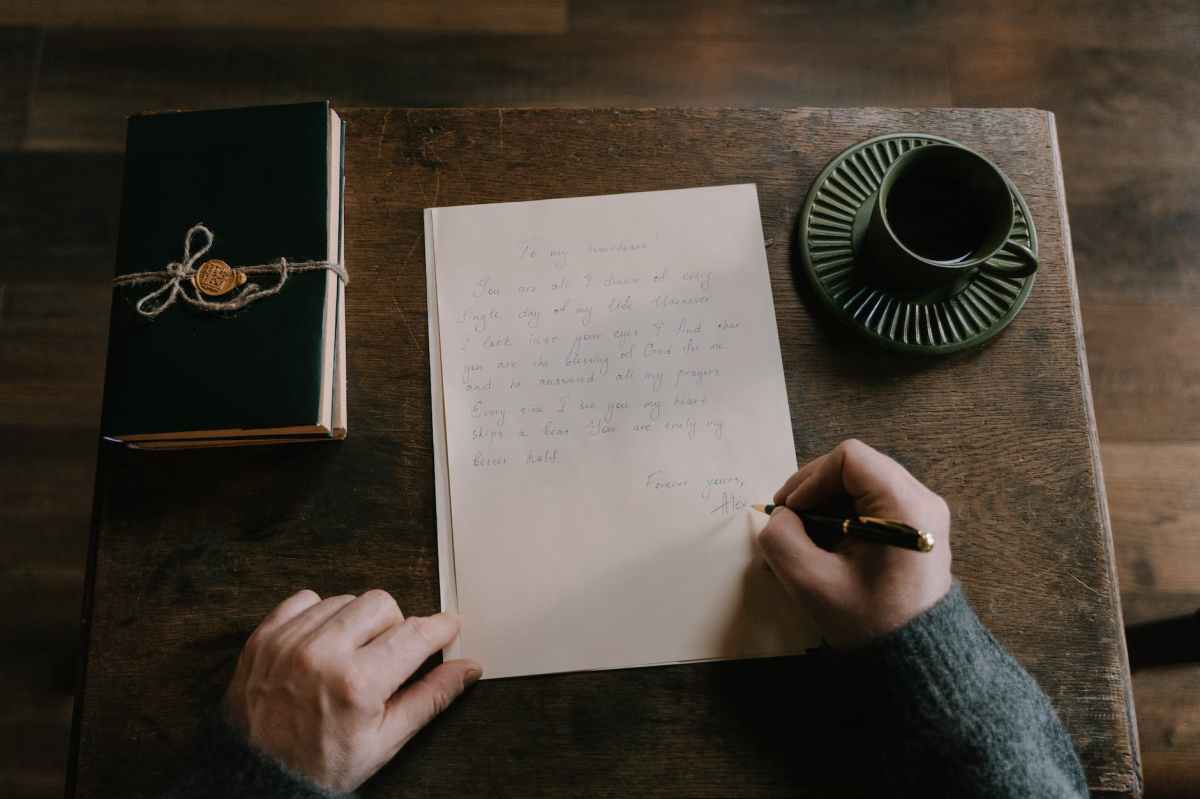
Write a Letter
The act of writing a letter doesn’t have to be tedious or boring. It should be insightful.
Write a letter from your antagonist’s point of view. What would they say? Who would they address? What are their goals, their concerns, their secrets?
Do this for your main characters. Have them address each other or even the reader. Get inside their minds.
Conflict dramatizes ambition and the character’s personality.





 Aral Bereux