Categories
ON WRITING

Dystopia and Science Fiction: Exploring their Intersection

The dystopia genre often overlaps with science fiction, as many dystopian stories incorporate speculative or futuristic elements. Here are a few ways in which dystopia and science fiction intersect:

Dystopian stories are typically set in a future society or world that has undergone significant societal, political, or environmental changes, such as the Watcher series, whereas science fiction often explores future or alternative worlds, making it a natural fit for dystopian narratives.

When considering technological advancements, science fiction frequently explores advanced technologies and their impact on society. In dystopian settings, however, these technologies may be used by the ruling elite to maintain control over the population or to oppress individuals. Examples include surveillance systems, advanced weaponry, genetic manipulation, or mind-control devices. One example that springs to mind is Minority Report. Another is Gamer.

There are also speculative elements to both genres, whereas science fiction often involves elements such as time travel, space exploration, alternate realities, or advanced scientific concepts, such as Wells’ The Time Machine. Where dystopian stories differ, they may incorporate these speculative elements to depict a future world shaped by particular technologies, scientific breakthroughs, or social systems, such as The City and the Stars.

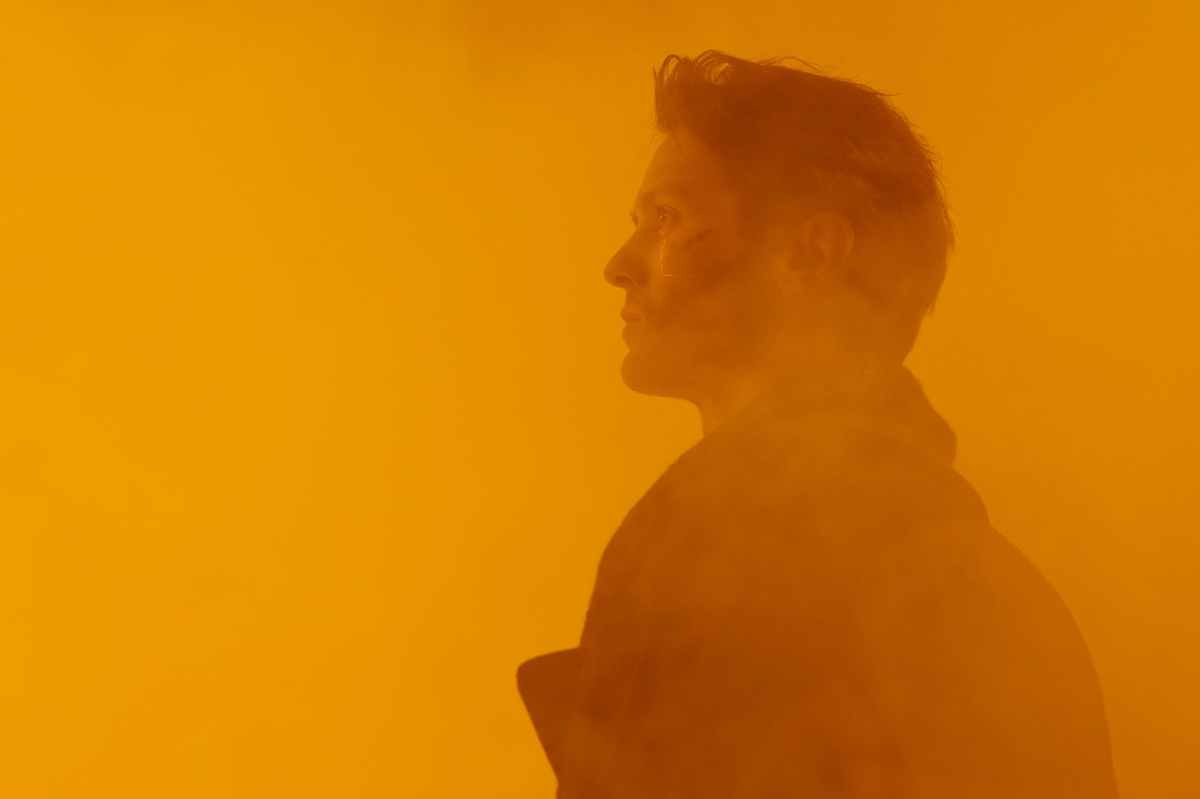
Photo by Mikhail Nilov on Pexels.com

Social and political themes are also a feature of both dystopian and science fiction genres and offer opportunities for their critique. Dystopian narratives often highlight the flaws or dangers of specific ideologies, governments, or social systems and the constructs surrounding them. On the other hand, science fiction can serve as a vehicle for exploring these social issues, questioning the status quo, or warning against potential negative consequences of scientific advancements. Margaret Atwood, anyone? Take your pick from her extensive catalogue of publications.

Coupling both genres together, you’ll note that dystopian science fiction often delves into the human condition, exploring themes of identity, individuality, oppression, resistance, and the struggle for freedom, thus exploring humanity and all its shortcomings. These stories may examine how society’s structures and technologies impact individuals and their relationships or how individuals navigate the challenges of a harsh and dehumanizing world and are often the most captivating stories. Think Blade Runner.

It’s important to note that while many dystopian stories are classified as science fiction, not all science fiction stories are dystopian. Science fiction encompasses a broad range of themes and settings beyond dystopia, including utopias, space exploration, alien encounters, and more. However, the dystopian subgenre within science fiction remains popular due to its ability to reflect contemporary issues, offer cautionary tales, and provoke thought about the future of humanity.
Categories
ON WRITING

What are some of the better tips for writing a good script?

Writing a good script requires careful planning, effective storytelling and attention to detail. Here are some tips to help you in the process:

Know your story

Before you start to write, have a clear understanding of your story’s premise, characters and main conflicts. Develop a strong outline or treatment to guide your scriptwriting process. Understand the core themes and the desired emotional impact you want to achieve.

Create compelling characters

Develop well-rounded and relatable characters that audiences can connect with. Give them distinct personalities, goals and flaws and ensure their actions and dialogue are consistent with their motivations and background. Memorable characters help to drive the story forward and keep audiences engaged.

Focus on structure

The structure of a story is crucial in scriptwriting. Familiarize yourself with popular storytelling structures such as the three-act structure or the hero’s journey. Establish a clear beginning, middle and end, and ensure your script has a well-defined setup, conflict and resolution. Use plot points, turning points and well-timed reveals to maintain the audience’s interest.

Write visually

Scripts are blueprints for visual storytelling. Use descriptive and concise language to paint vivid images in the reader’s mind. Use the show rather than tell cliché whenever possible. Use action and visuals to convey information and emotions instead of relying solely on dialogue. Visual storytelling makes scripts more engaging and appealing to readers and potential viewers.

Master dialogue

Dialogue should be natural, engaging and purposeful. Each character should have a distinct voice, reflecting their personality and background. Keep dialogue concise and avoid excessive exposition. Use subtext and conflict within conversations to create tension and depth. Read the dialogue aloud to ensure that it sounds authentic and flows well.

Maintain pacing

Keep your script’s pacing in mind. Balance slower, character-driven moments with faster-paced, high-stakes scenes. Avoid unnecessary scenes or dialogue that do not advance the story or reveal character information. Create tension and suspense by strategically placing conflicts and obstacles throughout the script.

Edit and revise

Writing is a process of rewriting. Once you have a draft, revise and edit your script multiple times. Polish the dialogue, tighten scenes and eliminate unnecessary elements. Also, seek feedback from trusted readers or fellow writers and be open to constructive criticism—don’t take their criticisms personally. Revise based on the feedback to improve your script’s quality.

Formatting and presentation

Learn and adhere to industry-standard script formatting guidelines. Properly formatting your script makes it easier for producers, agents or readers to navigate and understand. Presentation matters, so ensure your script is free of grammatical errors, spelling mistakes and inconsistencies.

Study successful scripts

Read scripts from successful movies and television shows in your desired genre. Analyze how those scripts effectively engage the audience, build tension or develop characters. Understanding what works in scripts already established can help you enhance your own writing skills.

Find your voice

While learning from established scripts is valuable, don’t be afraid to develop your unique voice and style. Infuse your script with your own creativity, perspective and experiences. Embrace your strengths as a writer and find ways to make your script stand out. Find and employ your individuality; otherwise, it’s just another script.

And remember, writing is a craft that requires years of practice and persistence. Keep honing your skills, seek all the feedback you can find and continue learning from the work of others.

Categories
ON WRITING Writing Prompts

A List of Common Mistakes to Avoid When Writing

There are several common mistakes to avoid in your writing to ensure clarity, coherence, and overall quality. Check these out for some of them:

Spelling and grammar errors: Proofread your work carefully to eliminate spelling mistakes, typos, and grammatical errors. Incorrect punctuation, subject-verb agreement, and tense usage can weaken your writing.

Lack of clarity: Ensure your writing is clear and easy to understand. Avoid using ambiguous or vague language that can confuse your readers. Lose the verbosity and ambiguity. Be specific and precise in conveying your ideas.

Weak or repetitive words: Avoid using weak or overused words that can make your writing sound bland. Look for opportunities to use stronger verbs and descriptive language to engage your readers.

Lack of structure and organization: A well-structured piece of writing is easier to follow and understand. Ensure your writing has a clear introduction, body, and conclusion. Use paragraphs and headings to organize your thoughts effectively during drafting.

Lack of focus: Stay focused on your main topic or argument. Avoid going off on tangents or including irrelevant information that distracts readers from your main point.

Inconsistent tone or style: Maintain consistency in the tone and style of your writing. Ensure that your writing matches the intended audience and purpose. Switching between formal and informal language or varying the tone too much can disrupt the flow of your writing.

Lack of proofreading: Neglecting to proofread your work can result in overlooked errors and inconsistencies. Always take the time to review your writing before finalizing it.

Poor sentence structure: Pay attention to sentence structure to ensure readability. Avoid run-on sentences or overly complex sentence structures that can confuse readers. Vary the length and structure of your sentences to create a more engaging flow.

Ignoring feedback: Feedback from peers, editors, or readers is valuable for improving your writing. Be open to constructive criticism and use it to enhance your work.

Lack of revision: Writing is a process that requires revision. Avoid the mistake of thinking your first draft is perfect. Take the time to revise and edit your work to refine your ideas and enhance the overall quality of your writing.

By being mindful of these common mistakes, you can strengthen your writing and create a more compelling and polished piece of work. Good luck!

Categories
DYSTOPIAN BOOKS

Poverty Porn

ACT ONE

Two homeless men and a woman sit on a church’s steps, people-watching on the busy main street of a city. A passerby stops to take a photo of them before walking away.

MAN 1:      The houses aren’t what they used to be.

MAN 2:       The people aren’t what they used to be.

WOMAN:    (nods)Losing value, the houses.

MAN 1:       Must be the environment. The urban development. Changing values. Banks. Interest. Corporations. Greed. The Crisis.

MAN 2:       The GFC?

MAN 1:       (annoyed) Yes. Thee Crisis. The houses aren’t what they were.

WOMAN:    Look. (points to the distance) More are coming.

MAN 2:       Hurry. Get ready.

MAN 1 sighs and adjusts his blankets and hat full of coins as though they are props of a production.

A group of tourists with cameras approach them and stop. They take photos of the homeless group. The homeless group poses for the photos this time, smiling broadly, changing positions for each photo until the tourists are satisfied and leave.

MAN 1:       Give them what they want.

WOMAN:   Nothing’s ever good enough.

MAN 2:       (holds up a gold coin that had landed on his jacket) I’m happy.

MAN 1:       You didn’t do anything.

MAN 2:       I didn’t have to. You did it all for me.

WOMAN:   Workers and hierarchy. Nothing changes. We need more people to compete.

MAN 1:       Shouldn’t be too hard to find. Plenty of us. Will be plenty more.

WOMAN:   (points finger again) They have more people and look at the crowds around them.

MAN 2:       Yes. More of us are needed.

MAN 1:       We’re everywhere. Like a collective. More of us soon. Like a feature. A blimp on the radar, but here. MAN 1 turns to MAN 2. Where were you once?

MAN 2:       I don’t understand your question.

MAN 2 adjusts his blankets again and pockets his gold coin.

WOMAN:   I do. (nods to MAN 2) He was nowhere. Always nowhere. Born like this. Born into this. No chance. No help. No hope – except this.

MAN 1:       Not me. 

WOMAN:   Not me, either. (pauses, looks up)Quickly. More are coming. Maybe we can get lunch after this.

MAN 1:      (counts the coins in his hat)Maybe I can buy lunch today.

WOMAN:   I was an actor.

MAN 2:       Oh. I was born like this.

MAN 1:       I was an architect for a large corporation. But they’re all just titles now. (points to the audience) Just like them.

THE END.

EXEGESIS

Poverty Porn questions society’s rationalising of homelessness as an acceptable part of the capitalist social order. The audience is lulled into voyeurism through the photographers’ curiosity. However, towards the end, Man 1 clarifies how no one is above becoming homeless. Action needs to be developed further, particularly towards the end, with consideration given to MAN 1 pointing to the photographers rather than the audience to provoke the audience’s reflection of their own worth in society.

Caryl Churchill’s Far Away and This is a Chair inspired how to tackle the dialogue, while Will Eno’s Oh, The Humanity reminded me of how space can be used to provoke image and emotion.

Copyright © 2023